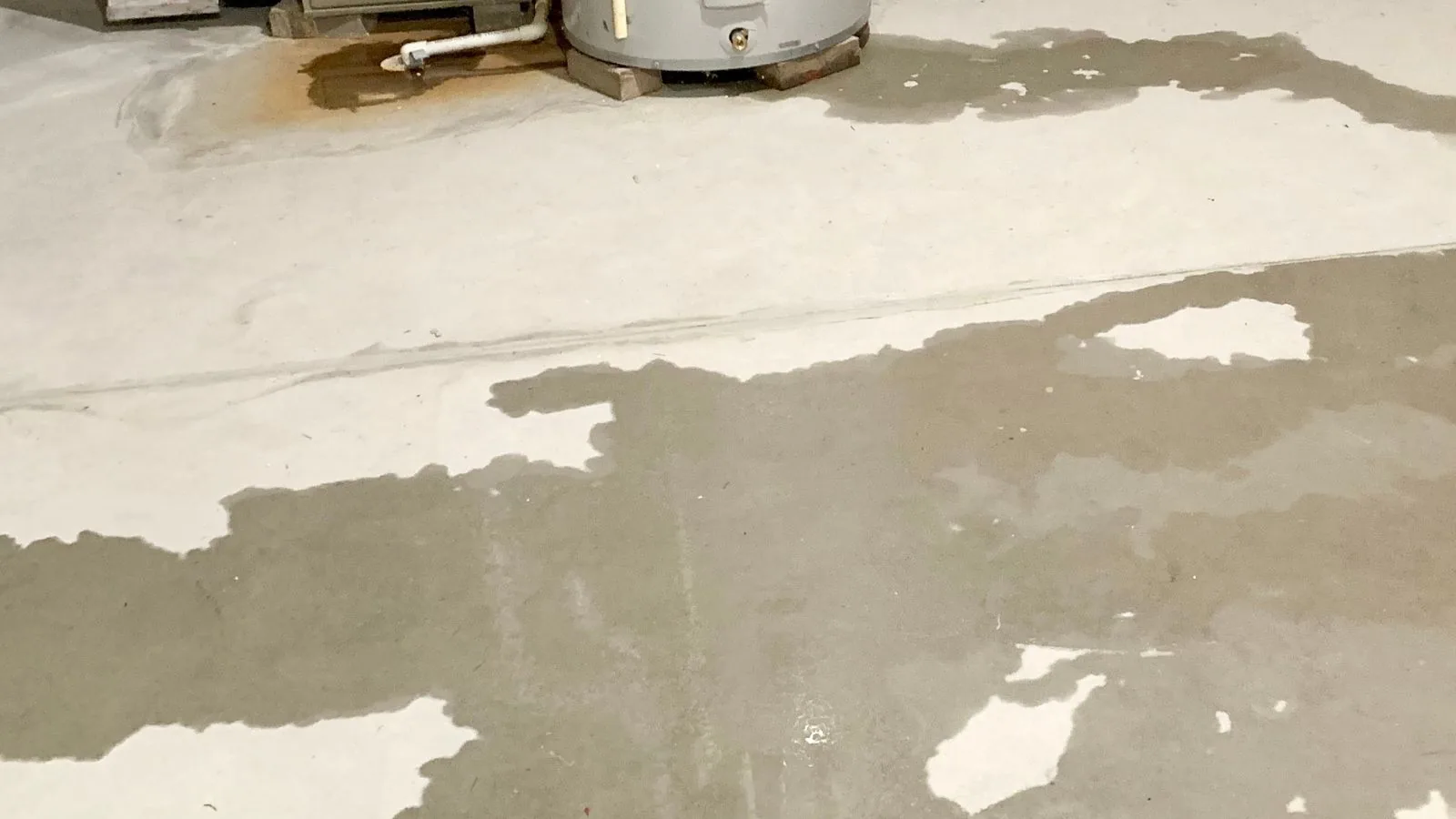
A wet basement in Owings Mills can come from a failed sump pump, a hillside that sheds water toward the foundation, a supply line or a drain that backed up. Basement water damage cleanup removes the water, strips out materials that cannot dry and dries the structure before mold starts. If you have standing water or a wet finished basement, call our 24/7 line.
This page covers the below-grade room. Rising outside water is on the flood damage page, and the under-floor void in homes without basements is on the crawl space page.
When a wet basement is an emergency
Treat it as an emergency if water is standing over outlets, near the furnace or panel, or is still entering. Do not wade in if the water could be energized. Turn off the breaker only from a dry spot, or call the electric utility.
Move valuables upstairs, lift cardboard boxes and photograph the water level. If the sump pump has failed, check whether the power is out. Then call us.
Where basement water comes from
Sump pump failure
Power loss, a stuck float or an overwhelmed pit lets groundwater rise.
Wall and floor seepage
Water pushes through cracks and joints after heavy rain.
Supply and drain leaks
Pipes and water heaters failing overhead or alongside.
Sewer backup
Wastewater coming up through floor drains.
Why this area is prone to basement water
Owings Mills homes sit on rolling terrain, and creeks like the Gwynns Falls and its tributaries carry heavy runoff. A 2017 flash flood put creek water within inches of one porch and cut off 24 units off Hammershire Road, according to local news.
Tie-back: if your lot slopes toward the house, check that downspouts discharge away from the foundation and your sump pump has a battery backup. The Maryland Insurance Administration notes that seepage through a foundation wall or floor is generally treated as a maintenance issue, not a covered flood.
Water on the basement floor?
Call now and we will plan extraction and drying.
Finished and unfinished basements
Unfinished concrete basements dry faster but may hold stored belongings that are wet. Finished basements have carpet, pad, drywall and insulation that wick water and may need removal at the flood cut height.
We extract water, remove materials that cannot be dried and run air movers and dehumidifiers. Dehumidification is vital in a basement because cool concrete keeps humidity high.
Restoration is not waterproofing
We dry and restore after water damage. If the same water keeps coming in, the fix is drainage, grading, a sump system or exterior waterproofing by a specialist. We say so honestly and document the cause for your contractor.
A basement that keeps flooding after drying means the cause is unresolved. Ask for a written scope from the contractor before major work.
Sump pumps and battery backups
A sump pump removes groundwater from a pit and discharges it away from the house. If it fails during a storm, the basement can flood within hours. Check the pump, the float switch and the discharge line each spring, and consider a battery backup.
A pump failure is not always covered by a standard policy, which is why checking for a water backup endorsement is worthwhile.
Cost factors and insurance
Sump or sewer backup may be covered if you have a water and sewer backup endorsement, which Maryland law requires insurers to offer, according to the Maryland Insurance Administration. Check your policy or ask your insurer.
- Water depth and basement size
- Finished versus unfinished
- Materials removed and replaced
- Drying days and equipment
- Sump or drainage work by a separate contractor
See structural drying for the dry-out standard and carpet water damage for finished lower levels. Want your real number? Call the 24/7 line.
Frequently asked questions
Yes. Basements often flood during overnight storms, and our dispatch line is open 24/7. We give safety steps on the call and arrange same-day response when crews are available.
No. We handle cleanup, drying and restoration. Waterproofing and drainage are separate trades.
For a small puddle, yes, with a grounded outlet and dry footing. For standing water over outlets, wait for a professional.
It depends on the cause. A sudden pipe failure is often covered, flood generally needs a flood policy and seepage is generally excluded. Check your policy or ask your insurer.
Water still spreading?
Describe your basement water damage problem to the dispatcher and get safety steps right away.