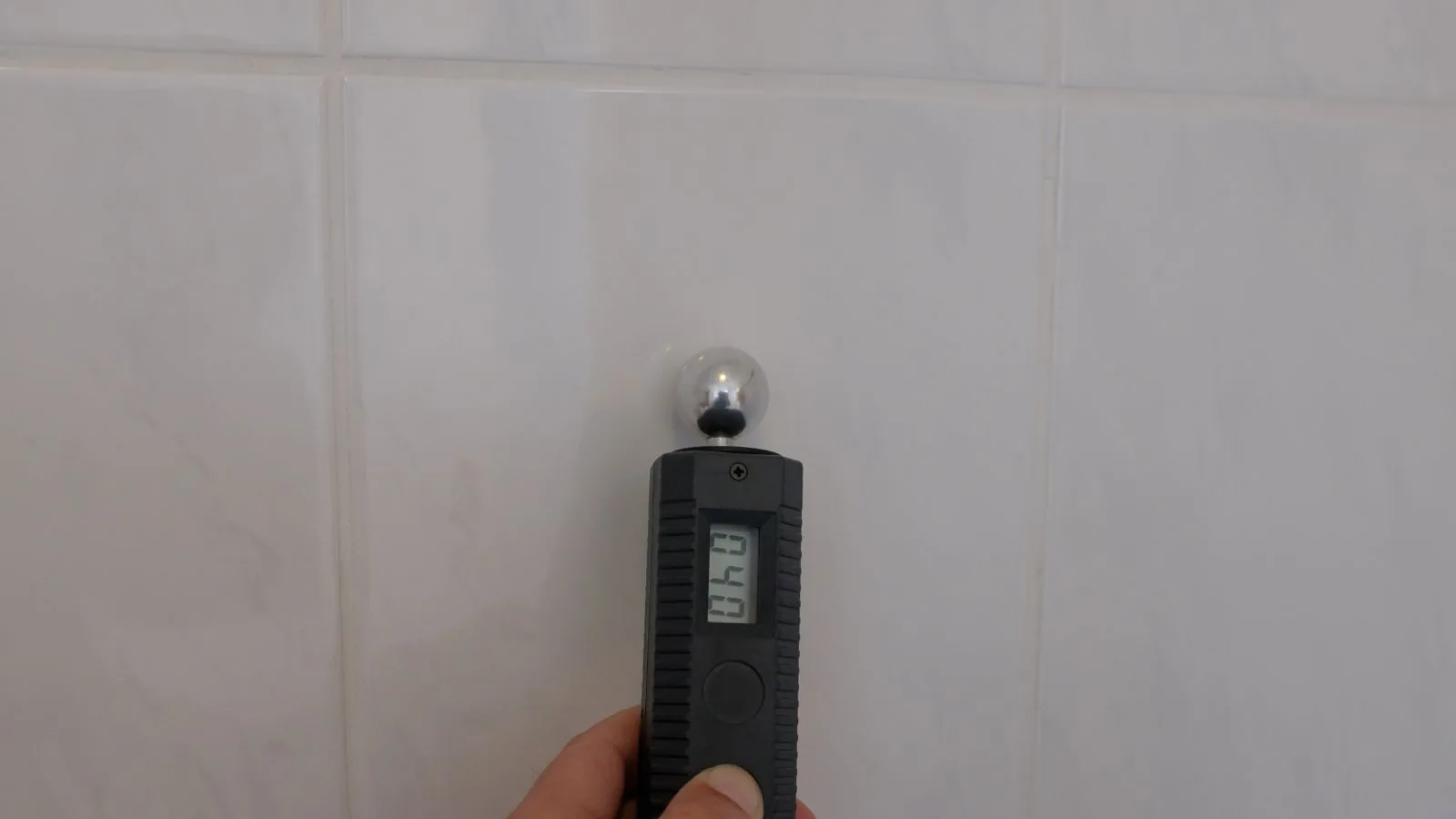
Structural drying is the step that turns a wet building into a dry one, and it is where many water losses are won or lost. In Owings Mills, where basements, finished lower levels and tight townhome layouts hold moisture, drying uses moisture meters, thermal imaging, air movers and LGR dehumidifiers to bring materials back to a safe moisture level. Dispatch picks up at any hour if you want to begin drying today.
The term you may know it by is water mitigation, which is the first phase of restoration that limits damage by removing water and drying structure. Extraction comes first and is covered on the water extraction page.
My wall feels damp and the room smells musty
People rarely search for structural drying. They search for symptoms: a wall that still feels cool days after a leak, a musty smell in a closet, carpet that never fully dries, a window that fogs up in a room that was flooded.
Those symptoms mean moisture is still in the structure. The trade term for the fix is structural drying and dehumidification, and the first step is measuring where the moisture is, not guessing from the surface.
Moisture mapping: how we find the wet areas
We use pin and pinless moisture meters to read walls, floors and ceilings, and a thermal camera to show temperature differences that signal wet material. Readings are marked and recorded so we can see the wet zone shrink on each visit.
Moisture mapping also protects you. A baseline set of readings shows what was wet, and later readings show that it dried, which supports an insurance claim and gives you a record before rebuilding.
The equipment and what each does
Air movers
Push air across wet surfaces to speed evaporation.
LGR dehumidifiers
Pull moisture out of the air so evaporation can continue.
Wet vacuums and extractors
Remove water before drying starts.
Moisture meters and thermal camera
Find and track wet materials.
Unsure if it is dry?
Call and we will take readings.
How long drying takes
Drying time depends on how much water, which materials and how humid the air is. Many losses need several days of equipment, and thick materials such as hardwood, subfloors and concrete can take longer. Drywall and carpet pad dry faster than framing.
The general guidance is to start drying within 24 to 48 hours to limit mold growth. If readings do not fall on schedule, we adjust equipment placement or remove material that will not dry in place.
What you can do while equipment runs
- Keep doors and windows closed in drying rooms so the dehumidifiers can work
- Do not turn the equipment off to save noise, since interrupted drying slows the job
- Keep thermostat steady so warm air helps evaporation
- Move clean belongings out of the drying zone
- Call if readings look stuck or you smell something unusual
Drying goals in plain language
A drying goal is the moisture reading a material must reach before the job is complete. It is set by comparing wet areas to dry reference points in the same building, not by a number pulled from a chart.
We share the goal and the daily readings with you, so you can see progress. When all targets are met, equipment is removed.
Cost factors and insurance
Drying is typically part of a covered sudden water loss, while gradual moisture problems are often excluded. Check your policy or ask your insurer, and keep your drying logs.
- Water category and affected area
- Number of air movers and dehumidifiers
- Days of drying
- Materials that must be removed because they cannot dry
- Re-monitoring visits
See burst pipe damage or basement water damage for examples of losses that need structural drying. Want your real number? Call the 24/7 line.
Frequently asked questions
Fixing the leak stops new water, but moisture already in the wall remains until it is dried. Moisture readings show whether it has dried.
Moisture meters show readings that match dry reference points for each material. We log them each visit and confirm they hold before closing up.
Often yes. Even small leaks add moisture that can linger in drywall, carpet pad and framing, and drying early is cheaper than repairing later.
They help with humidity but they are not designed to dry wet building materials fast, so they are rarely enough after a real water loss.
Water still spreading?
Describe your structural drying problem to the dispatcher and get safety steps right away.