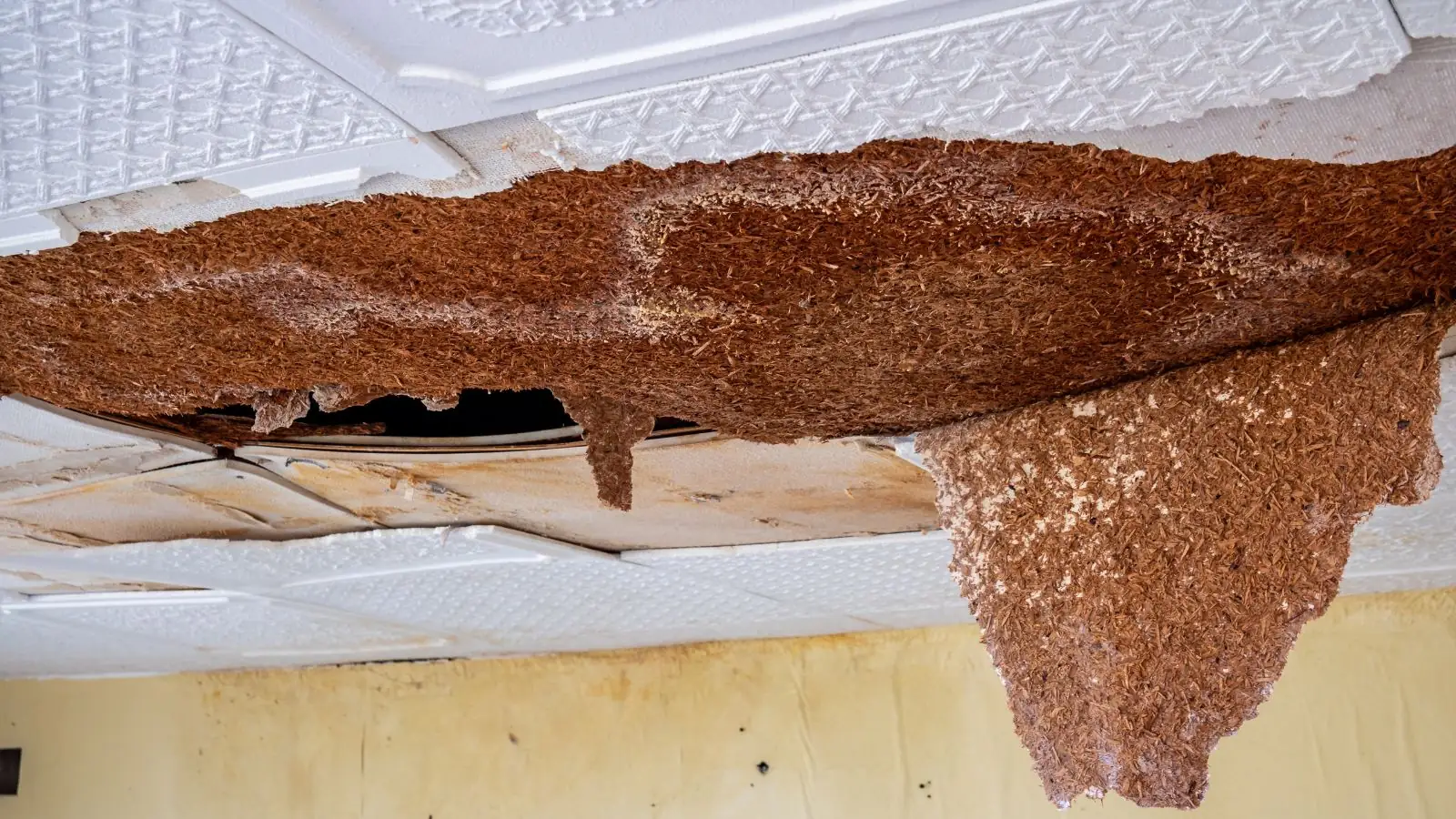
Commercial water damage in Owings Mills puts more than a floor at stake: inventory, records, equipment and the days a business cannot open. Owings Mills has retail centers like Mill Station and Foundry Row, offices around Metro Centre and Red Run Boulevard and many multi-unit properties. A burst line in a suite can reach tenants on other floors, so speed and documentation matter. Our 24/7 line is open now.
This page is for non-residential and multi-unit losses. A single home is covered by the water extraction page and the other residential pages, and a recurring roof or storm problem on a building is in storm water damage.
When a business water loss is an emergency
Treat it as an emergency if water is spreading across a floor, reaching electrical equipment, dripping through a ceiling or affecting more than one tenant. Shut off the water to the affected suite or building if you can, and notify the property manager and building engineer.
Move inventory, paper records and electronics off the floor, and photograph everything before you move it. If water is near electrical panels, call the utility or 911 first. Then call us.
Commercial losses we handle
Retail and restaurants
Supply line, dishwasher and roof leaks that reach floors, ceilings and stock.
Offices
Ceiling leaks, sprinkler discharge and plumbing failures over carpet and workstations.
Multi-unit buildings
A leak in one unit that travels to units below.
Schools and institutions
Large areas, tight schedules and occupant safety.
What makes commercial drying different
Larger floor areas, heavier concrete, suspended ceilings and mixed finishes change the equipment plan. A commercial dry-out often uses more air movers and dehumidifiers on a longer schedule, with moisture mapping across multiple rooms.
We work around business hours when possible, stage equipment so people can still reach exits and keep a written log of readings so a landlord, tenant and insurer can see progress.
Downtime costing you?
Call now and tell us your hours. We will plan around them.
Landlord, tenant and insurer: who does what
Responsibility depends on your lease. A tenant policy usually covers contents and improvements while the building policy covers the structure, and some leases assign cleanup to the landlord. Read the lease and notify both insurers.
Documentation helps every party. We provide photos, moisture readings and a written scope, and we do not decide who pays. We also avoid promising insurer approval or direct billing.
Permits and building rules
Plumbing and electrical repair work requires permits in Baltimore County and is done by licensed trades. Structural changes need building permits as well, according to the county Department of Permits, Approvals and Inspections.
For tenants, notify the property manager before opening walls or ceilings. We coordinate with your contractors so repairs happen in the right order.
Keeping the business running
Most owners want to know whether they can stay open. Often the answer is yes for part of the space, with containment and drying equipment placed to keep customers and staff away from the wet area. The plan depends on safety, electrical hazards and the type of use.
We ask about opening hours, tenants and critical equipment at the start so equipment can be placed and noise managed. For multi-tenant buildings, notices to neighbors and the property manager are part of the plan.
Cost factors
General insurance note: commercial policies differ widely, so check yours or ask your insurer about sudden water loss, business interruption and flood exclusions.
- Square footage and number of tenants affected
- Water category and contamination
- Finishes such as carpet tile, drywall and suspended ceilings
- Drying days and equipment count
- Working hours and access limits
See sewage backup cleanup for contaminated water in a building. Want your real number? Call the 24/7 line and tell us the size and type of space.
Frequently asked questions
Yes. Our 24/7 line takes commercial calls at any hour, and we arrange same-day response when crews are available so you can reopen sooner.
We plan drying and demolition around your hours when possible and tell you where equipment will sit.
Yes. We document each affected unit, which helps when a leak crosses unit lines.
Photos, moisture logs, a written scope and receipts. We provide documentation, and your insurer decides coverage.
Water still spreading?
Describe your commercial water damage problem to the dispatcher and get safety steps right away.