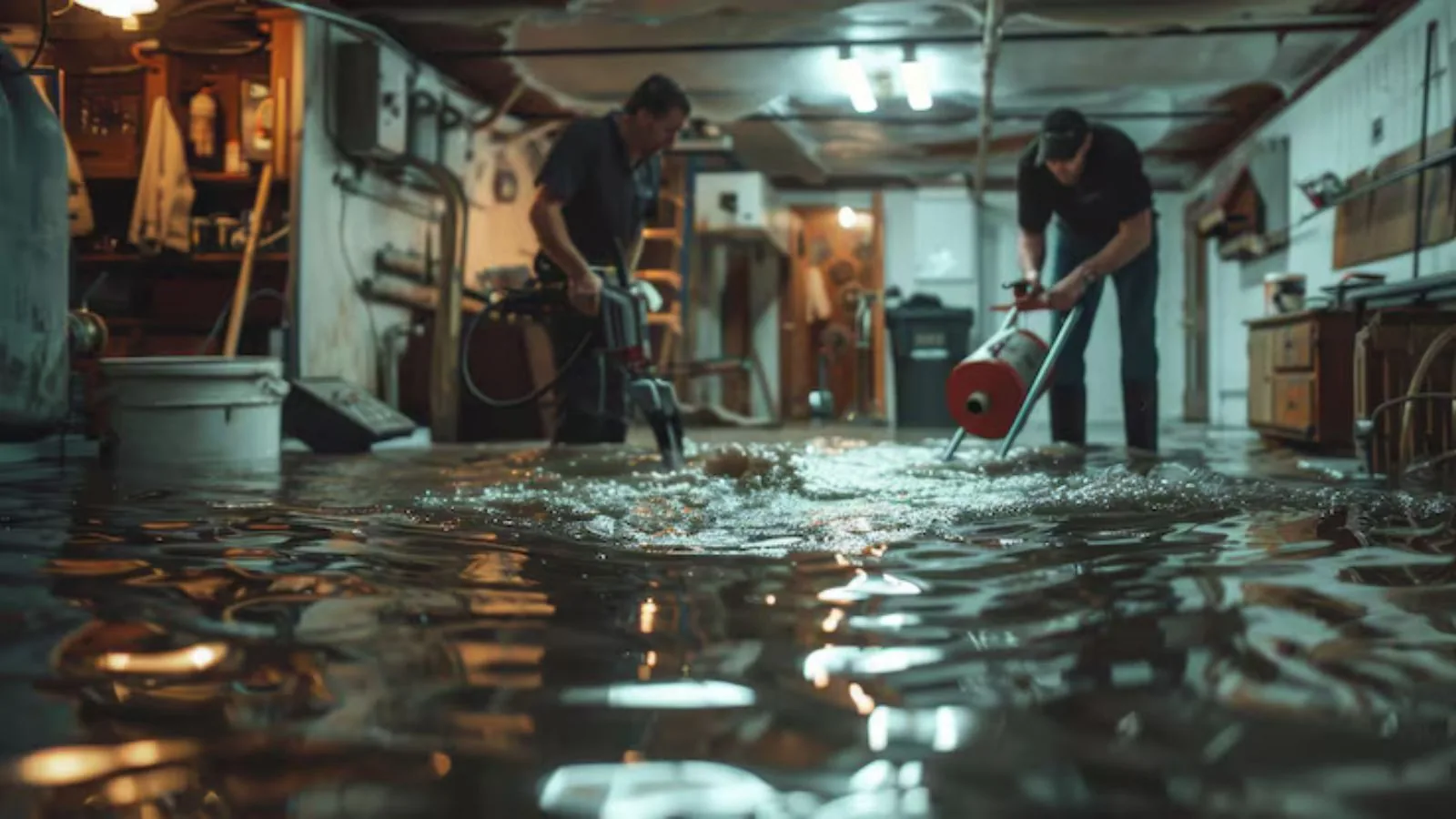
When a leak is small, the temptation is to grab towels, a shop vacuum and a box fan and handle it yourself. Sometimes that is exactly right. Other times it leaves moisture behind the baseboard and mold in a month.
This guide helps you decide, and describes what professional equipment actually does differently.
When DIY is reasonable
A small spill of clean water on a hard floor that you catch within minutes can be mopped up, dried and monitored. The same goes for a minor overflow on tile that does not touch carpet, baseboards or cabinets. In those cases, towels, a mop and a fan are enough.
Keep checking the area for a day or two. If you smell a musty odor or see the baseboard swell, the water went further than you thought.
When DIY falls short
- Water soaked carpet, pad or drywall
- The water has been there for more than a day
- The source was sewage, floodwater or an unknown source
- Water reached more than one room or the floor below
- The floor is hardwood, laminate or has a subfloor
- You cannot confirm the structure is dry
What household tools cannot do
A shop vacuum removes visible water but not what is inside carpet pad or wall cavities. Box fans move air but do not remove moisture from the air, so the humidity stays high and the water just relocates. A small dehumidifier removes a few pints a day, far less than a flood needs.
And none of these tools tell you whether the structure is dry. Without readings, you are guessing.
What professional equipment does
Truck-mounted and portable extraction units pull water from carpet and pad. Air movers direct dry air across surfaces at high speed, and LGR dehumidifiers pull large volumes of moisture from the air. Moisture meters and thermal cameras find wet areas that look dry.
Technicians place equipment, take readings and adjust daily. Our water extraction and structural drying pages explain the process.
Risks of drying it yourself
The main risk is mold. Hidden moisture in walls, under flooring or in insulation can support mold growth within 24 to 48 hours, and mold means a larger repair. Another risk is structural, as wet wood and drywall lose strength and can warp or fail.
There is also an insurance risk. If you skip documentation or discard materials before they are inspected, a claim may be harder to support.
Cost of DIY versus professional
DIY costs less up front, but the repair can cost more if the drying fails. Professional drying costs more at the start and often avoids replacement of flooring and drywall that could have been saved. The right choice depends on the size and the risk.
If you are unsure, an assessment is a low-risk step. Moisture readings tell you whether the water stopped where you think it did.
Equipment you can rent and its limits
Rental stores carry air movers and dehumidifiers, and some homeowners use them well on small, clean water events. The gap is in knowing where to put them, how long to run them and when to stop. Without readings, people either quit early or run machines for weeks that were not needed.
A rented unit also does nothing for wet insulation, pad or cabinets that should be removed first.
A quick decision check
Ask yourself four questions. Did the water touch anything besides a hard floor, has it been more than a day, was the source unclean and can you confirm dryness with a meter? A yes to any of them points toward a professional assessment.
Even if you decide to handle it yourself, take photos, keep receipts and recheck the area for musty smells over the following week. That record helps if the problem comes back or if you need to explain it to an insurer or a buyer later.
A middle path
You can do the first steps yourself while waiting for a crew. Stop the source, move furniture and valuables, blot standing water, remove loose rugs and open cabinet doors. Photograph the damage before and after.
Then let professionals handle drying, monitoring and removal. That combination saves time and keeps the work consistent with what an insurer expects.
DIY drying and Maryland weather
Maryland humidity makes home drying harder. On a warm, damp day in Baltimore County, a box fan simply moves wet air, and a closed basement near the Gwynns Falls headwaters can stay humid for days without a dehumidifier sized for the job.
Many Owings Mills homes have finished basements and carpeted lower levels. Carpet pad on a concrete slab traps water that cannot escape, so even a small flood there deserves a professional check.
Frequently asked questions
For a few puddles on concrete, perhaps. For wet carpet, pad or drywall, you need dehumidification and moisture readings to be sure.
A moisture meter reads it. Without one, you cannot be certain, and hidden moisture is the leading cause of mold after a leak.
No. Sewage is a Category 3 hazard and needs protective gear and professional handling.
Yes. If the readings show the structure is dry, we will say so and explain what to watch.
Water still spreading?
Questions about diy vs professional at your own address? The dispatcher can talk it through.