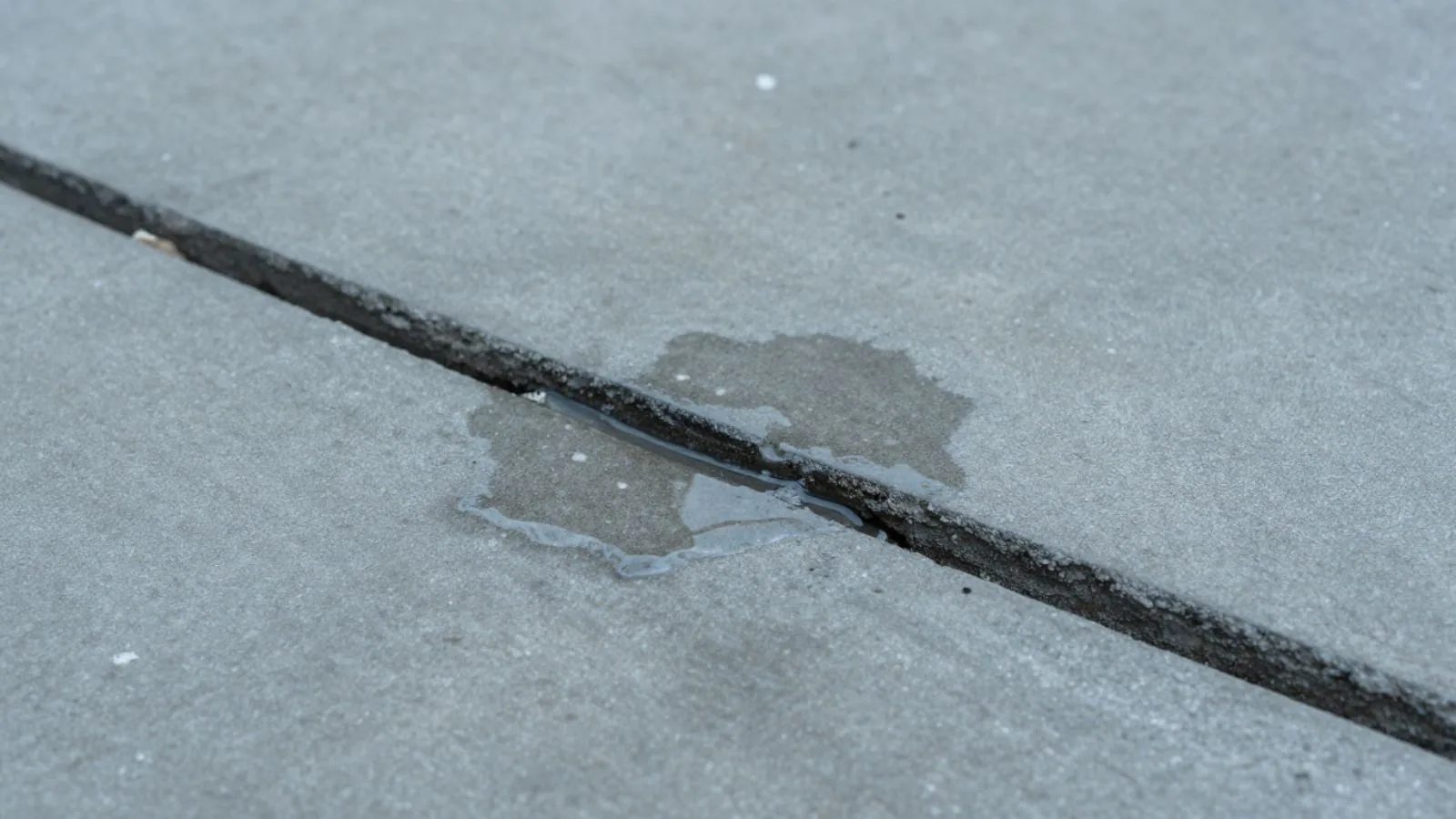
Not every leak announces itself. Many hide inside walls, under slabs and above ceilings for weeks, showing up only as a higher water bill, a stain or a musty smell. Finding the source early saves materials and money.
This guide walks through the home tests that narrow down a hidden leak and explains when to call professionals.
Watch for the signs
- A water bill that rises without a change in use
- The sound of running water when everything is off
- Warm spots on a floor, which may suggest a hot water line leak under a slab
- Stains, peeling paint or bubbling on walls and ceilings
- A musty smell in a closet, a cabinet or a basement
- Mold or mildew in an area without a visible source
One sign may have an easy explanation. Two or three together point toward a leak and deserve a closer check.
Do the meter test
Turn off every fixture and appliance that uses water, including the ice maker and the irrigation system. Read the water meter and write down the number, including the small dial that spins when water flows. Wait an hour or two without using water and read it again.
If the number changed or the small dial is moving, water is flowing somewhere. Close the main valve and read again. If the meter stops, the leak is inside the house, and if it keeps moving, the leak is on the line outside.
Check the fixtures first
Toilets are the most common silent leak. Add a few drops of food coloring to the tank and wait fifteen minutes without flushing. Color in the bowl means the flapper is leaking.
Look under sinks and behind appliances for drips, rust and soft wood. Check the washer hoses, the dishwasher line and the refrigerator ice maker line, which are small but frequent sources. Our appliance leak water damage page covers these.
Look at the building
Walk the home and look at ceilings below bathrooms and kitchens, baseboards along exterior walls and the area around the water heater. Check the basement ceiling for dripping or staining along pipes. Look for efflorescence on masonry walls, the white powder left when water evaporates.
Outside, look for areas of unusually green or soggy lawn, which can signal a leaking service line. Check the downspouts and grading, since roof and ground water can mimic a plumbing leak.
Use moisture tools
A pin or pinless moisture meter reads the water content of materials. A thermal camera shows temperature differences that can reveal wet insulation or a leaking hot line. Together they reduce guesswork, and technicians use them to locate leaks without cutting walls.
If the readings point to a section of wall, a small inspection opening may be enough. If the leak is under concrete, a specialist uses acoustic and tracer methods, as described on our slab leak water damage page.
When to call a plumber
A restoration company dries and documents damage, but a licensed plumber repairs the leak. If your meter test shows a leak, call a plumber to pinpoint and fix it. If water is already damaging materials, call us at the same time so drying can begin.
Leak detection pros use acoustic equipment and cameras to find leaks without destroying finishes. Ask for a written finding to share with your insurer.
Do not forget the roof and the attic
Leaks from above show up as ceiling stains, but the source can sit several feet away along a rafter. Check the attic after rain with a flashlight, looking for dark wood, damp insulation and daylight around vents and chimneys.
Mark the stain edge and the date so you can tell if it grows.
After you find it
Fix the cause first, then dry. Wet insulation, drywall and carpet pad may need removal. Document the damage and the repair for your insurer and your records.
Plan to recheck the area after a week. A moisture meter reading that stays high means the structure is still holding water, and more drying may be needed.
Hidden leaks in Owings Mills
A large share of Owings Mills homes use slab or shallow foundations and finished lower levels, where leaks stay out of sight. Water service in the county is provided by Baltimore City, so unusual meter readings or a sudden rise in your bill should be raised with the city water utility as well as with a plumber.
In winter, cold snaps can crack lines in exterior walls and unheated spaces, and the leak shows when temperatures rise. If you see a stain after a thaw, check pipes along exterior walls and in crawl spaces.
Frequently asked questions
Shut off all water use, record the meter reading and recheck after an hour or two. A moving dial or a changed number means water is flowing somewhere.
A licensed plumber repairs the leak. We locate wet areas with moisture tools, dry the structure and document the damage.
Yes. Wet materials that stay damp for more than a day or two can grow mold, and a hidden leak keeps materials damp for weeks.
No. Seasonal use, irrigation and guests change bills. Do the meter test to confirm.
Water still spreading?
Questions about hidden leaks at your own address? The dispatcher can talk it through.