The most common question after water extraction is simple: how long until everything is dry? The honest answer is that there is no fixed number, because drying depends on what got wet, how deep the water went and how humid the air is.
This guide gives typical ranges and, more importantly, explains how professionals know when the structure is actually dry.
The short answer
Many residential drying jobs run three to five days once equipment is set. Smaller, shallow events may finish sooner, while thick materials like hardwood subfloors, plaster or dense insulation can take a week or more. A flood that soaked many rooms takes longer than a leak in one.
These are typical ranges, not promises. A wet floor that feels dry after two days can still hold moisture in the layers beneath. Readings, not feelings, end the job.
What changes the timeline
- Material type: drywall dries faster than hardwood or plaster
- Water amount and how long it sat before extraction
- Water category, since Category 3 often means removal rather than drying
- Indoor humidity and temperature during the dry-out
- Number of air movers and dehumidifiers matched to room volume
- Whether wet insulation and carpet pad were removed early
Fast extraction helps the most. Every hour that water stays in carpet and drywall adds days to drying later.
How drying works
Wet materials give up moisture to the air as vapor. Air movers push dry air across surfaces, and dehumidifiers pull the vapor out of the room so the air can accept more. Without dehumidification, wet air just moves around the house.
Technicians place equipment based on the size of the room and the amount of water, then adjust during the job. Our structural drying and dehumidification page explains the setup in more detail.
Moisture readings decide the finish
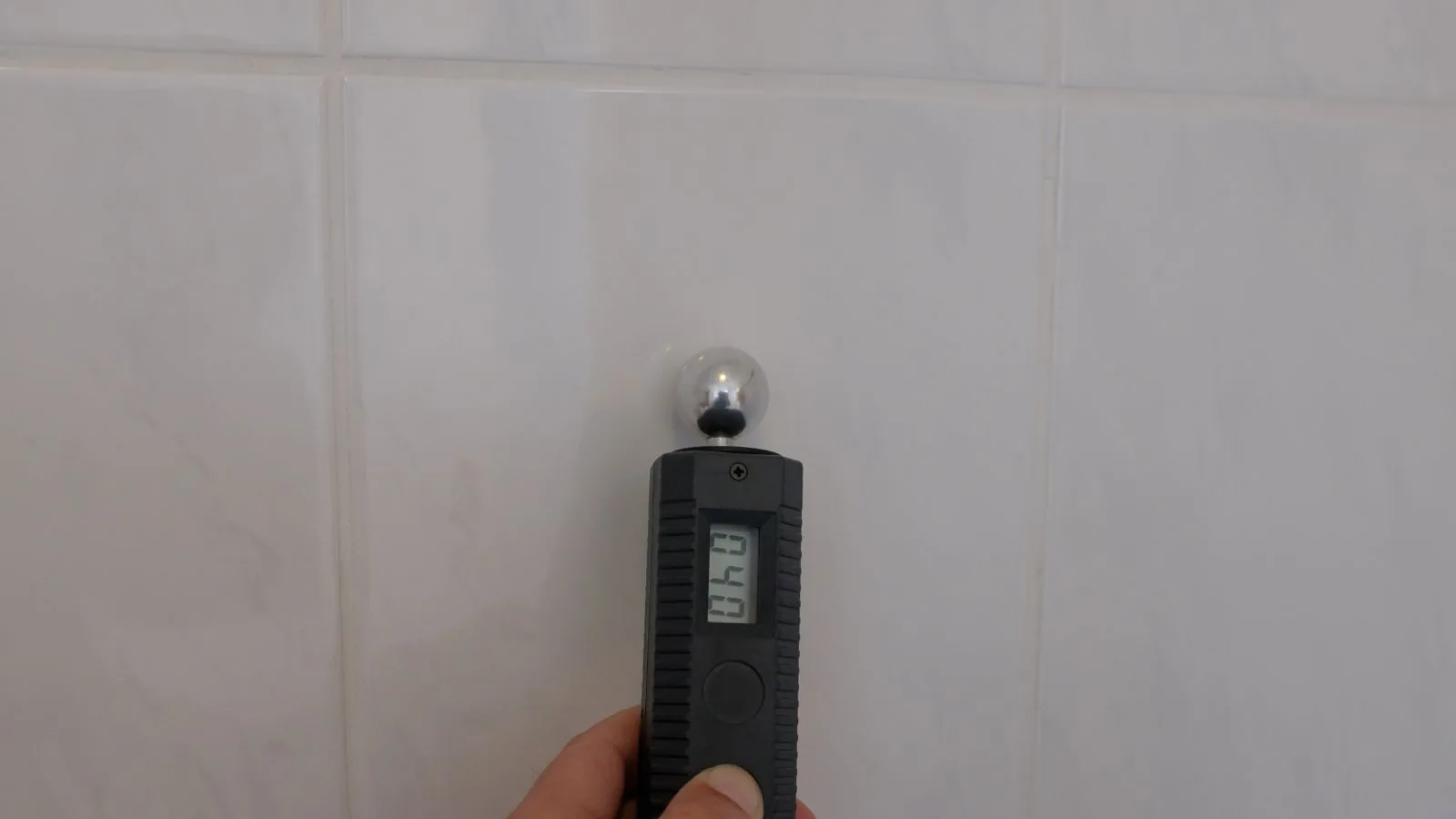
On day one, technicians take readings on affected walls, floors and framing and compare them to a dry reference from an unaffected area. Each day they return, take new readings and move or remove equipment as targets are met. The ANSI/IICRC S500 standard describes this approach.
The job ends when materials reach dry standards, not when the calendar says so. Pulling equipment early can leave moisture in cavities, and that moisture is what grows mold later.
Typical timelines by material
Carpet and pad often dry in two to four days if the pad is removed or the carpet is lifted and dried in place. Drywall commonly needs three to five days, and wall cavities may require openings for airflow. Hardwood can take a week or longer because the boards and the subfloor both have to come down to equilibrium.
Concrete is the slowest. It can hold moisture for weeks and releases it slowly into the room. For that reason, flooring over concrete is usually not installed until readings confirm the slab is ready.
Why it can take longer than expected
Humid summer weather lengthens the dry-out because outdoor air cannot absorb extra moisture. Closed doors and cluttered rooms limit airflow. Hidden water inside walls, under cabinets or in insulation turns up as readings fail to drop.
When that happens, technicians look for the missing water. They may open another section of wall or adjust equipment. It is better to find it now than to discover it as mold.
A note on rebuilding time
Drying is only the first phase. After materials reach their goals, rebuilding drywall, flooring and paint adds days or weeks, depending on the scope and contractor schedules. Ask for a separate timeline for repair so you are not surprised.
What you can do during drying
Keep doors and windows closed unless the technician tells you otherwise. Leave equipment running, because turning it off for sleep delays the job and defeats the readings. Keep children and pets out of the work area.
Expect noise and warm air. If the noise or electrical load is a problem, call and ask. Plan on a few days of inconvenience for a dry structure that does not grow mold.
Drying in the Owings Mills climate
Maryland summers are humid, and indoor drying fights the same moisture in the air that makes July in Baltimore County feel heavy. The National Weather Service Baltimore/Washington office covers the region, and warm, wet weather before or after a loss adds time to a dry-out.
Finished basements near the Gwynns Falls headwaters often sit below the water table after heavy rain, so dehumidification may need to run longer in these spaces. Ask the technician to explain what the readings show and when equipment will be removed.
Frequently asked questions
Often three to seven days for the structure, and longer if concrete or insulated walls are involved. Humid weather and repeated rain can extend it.
Household equipment moves less air and removes less moisture than professional units. It may work for very small events, but cannot confirm dryness in walls or subfloors.
Ask for the daily readings. The job is complete when affected materials match the dry reference, and we can show you the numbers.
Drying is continuous. Stopping equipment lets humidity rise and slows progress, so it is better to keep it running until readings are met.
Water still spreading?
Questions about drying time at your own address? The dispatcher can talk it through.