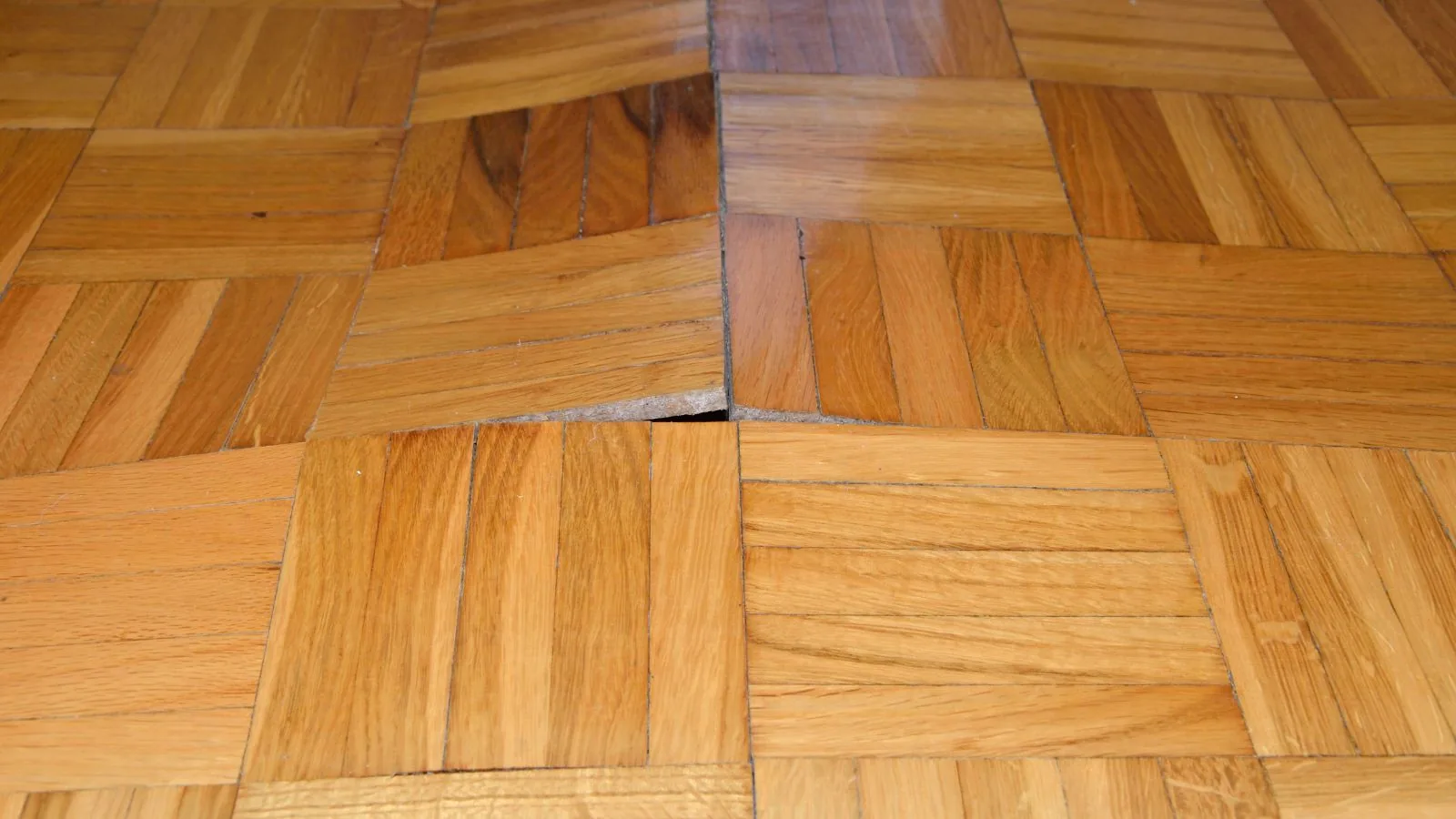
A brown ring on a ceiling or a warped baseboard raises the same question every time: is this still happening or is it old? The answer changes what you do, whether you can claim and whether you should worry about mold.
Here are the practical clues, and what to do when the answer is uncertain.
Why the difference matters
An active leak needs to be stopped and dried right away. An old, dry stain is a cosmetic and sometimes structural question, but no water is moving. Insurers also treat the two very differently, since sudden losses are generally covered and long-term seepage often is not.
If you are buying a home, the difference tells you whether the previous owner fixed the cause or only painted over it.
Clues that suggest new damage
- Stain edges are soft, damp or dark and the surface feels cool
- Paint is bubbling, sagging or still wet to the touch
- Drywall feels soft or crumbles under light pressure
- There is a drip, a sound of running water or a musty smell that is getting stronger
- Baseboards or flooring are swelling in the past few days
A moisture meter reading well above normal in the stained area is the strongest sign that the leak is active or very recent.
Clues that suggest old damage
Old stains often have a dry, crisp ring pattern, sometimes in layers where the leak came and went over time. The material is hard, with no swelling, and the meter reads at dry levels. Paint may be peeling because moisture was present in the past, not now.
Old damage can still hide problems, such as rotted framing or dormant mold behind the wall. Dry does not always mean harmless.
Stains that come and go
Some leaks only appear when it rains, when a particular fixture is used or when the HVAC runs. A stain that darkens after a storm points to a roof or flashing leak, while one that grows after showers points to a bathroom source. Mark the edge of the stain with a pencil and a date, and check it after each event.
This simple log helps a plumber or roofer find the source. It also shows whether the leak is getting larger.
How a moisture check helps
A meter reading is objective. We take readings across the stain and outside it and compare them to a dry reference. Thermal imaging adds a map of cool or warm areas that may indicate water behind the finish.
If readings are normal, the stain is likely old and you can plan cosmetic repair. If they are elevated, find the source and begin drying. See our ceiling water damage repair page for what that involves.
What to do if the leak is active
Stop the water if you can. Shut off the main or the fixture valve, set a bucket under a drip and move belongings. If a ceiling is bulging with water, poke a small hole to release it into a bucket, standing clear of the area.
Call for extraction and drying and document everything with photos. Early action keeps a small stain from becoming a ceiling replacement.
Photograph and watch
Take a dated photo of any stain and set a reminder to check it again in a week and after the next heavy rain. A stain that has not changed and reads dry is likely old. A stain that grows, darkens or feels damp is not.
Share the photos with a plumber, a roofer or us. A clear timeline makes diagnosis faster for everyone.
What to do if the damage is old
Have the cause confirmed as stopped, then decide on repair. Sand or replace stained drywall, apply a stain-blocking primer and repaint. Do not paint over a stain without confirming it is dry, because moisture will lift the paint again.
If you find mold or soft framing, deal with that first. A restoration team can identify how far the moisture reached and what needs removal.
Reading stains in Owings Mills homes
Roof and flashing leaks are common after the strong storms that cross Baltimore County, and a ceiling stain that appears after a storm in Owings Mills is often rooftop in origin. Homes in the Caves Valley Historic District and similar older properties may have original roofs, chimneys and valleys that fail in different ways than newer shingle systems.
Condo and townhome owners near Metro Centre and Mill Station should check with their association, since a roof leak may be the building responsibility while interior drywall is yours. Take dated photos before you call so the record is clear.
Frequently asked questions
Check with a moisture meter and compare to a dry area. Mark the stain edge and recheck after rain or after using nearby fixtures.
It can if the material stayed damp or got wet again. Dry, old stains are usually inactive, but hidden mold may remain behind them.
Insurers often treat long-term seepage as maintenance. Sudden, accidental losses are treated differently, so ask your insurer and share your dated photos.
Not until you are sure the area is dry and the source is fixed. Otherwise the stain bleeds through and the moisture continues to damage the material.
Water still spreading?
Questions about old or new damage at your own address? The dispatcher can talk it through.