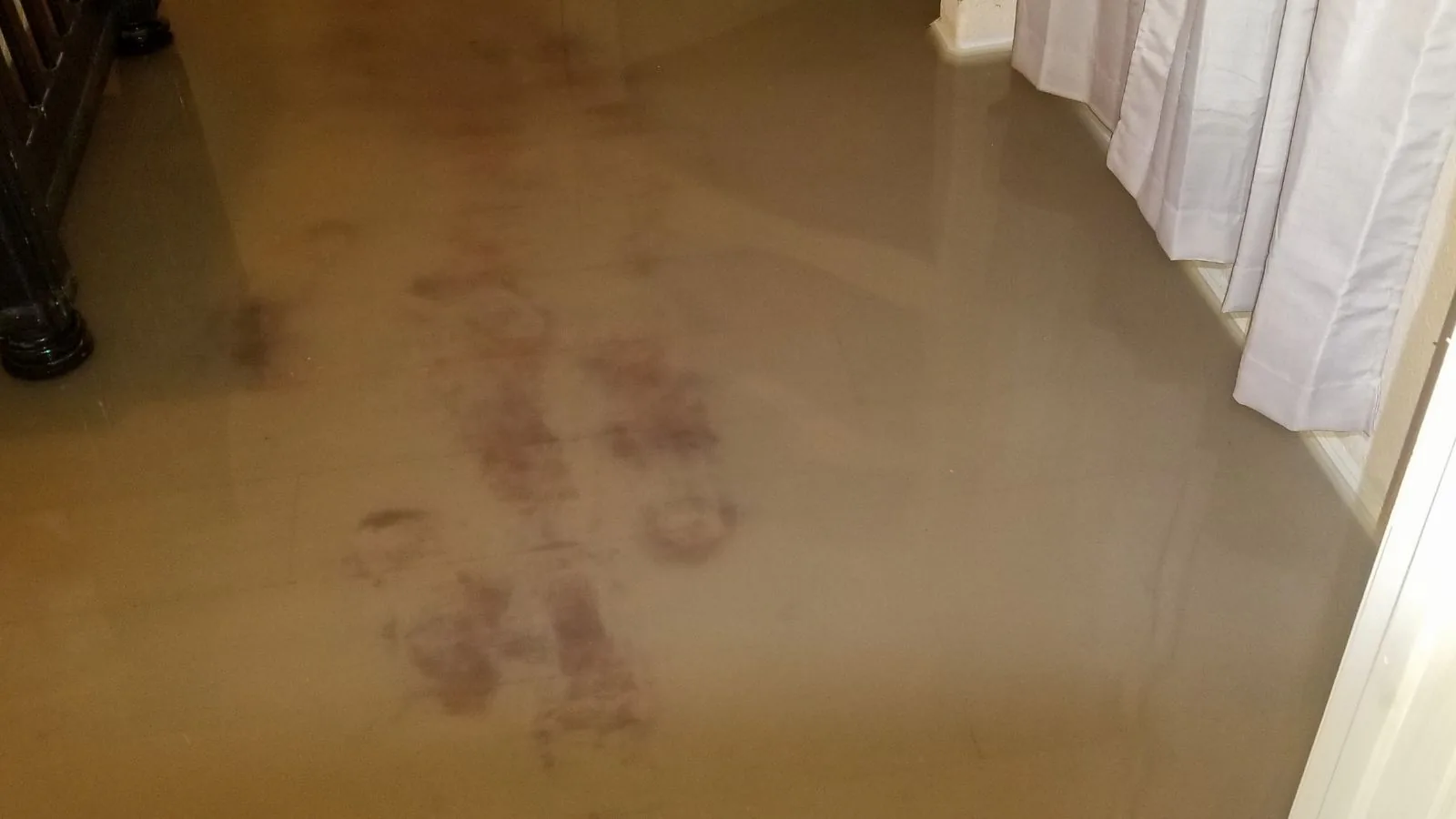
Not all water damage is the same. A broken tap and a backed up sewer both leave a wet floor, but the risks, the equipment and the cleanup are completely different. Restoration professionals sort water into three categories to decide how to respond.
This guide explains the categories as described in the ANSI/IICRC S500 standard and what each means for you.
Category 1: clean water
Category 1 water comes from a sanitary source and poses no substantial risk at the start. Examples include a broken supply line, an overflowing sink with clean water, a ruptured water heater tank or rain falling through a roof opening.
Materials that stay wet can still become a problem. Category 1 water left for 48 hours or more can degrade and be reclassified, and mold can begin on wet porous materials.
Category 2: gray water
Category 2 water contains contaminants that could cause illness if consumed or contacted. Typical sources are dishwasher or washing machine discharge, toilet overflow with urine only, and sump pump failures. It may contain bacteria, chemicals or organic matter.
Hard surfaces can be cleaned and disinfected. Porous materials like carpet pad, upholstered items and drywall near the floor are often removed, and the decision depends on the exposure time and materials.
Category 3: grossly contaminated water
Category 3 is grossly unsanitary and can cause severe illness. Sewage backups, rising floodwater from creeks and rivers, and standing water with long exposure to bacteria and fungus all fall here. Even water that began clean can become Category 3 if it sits long enough or travels through contaminated areas.
Porous materials are typically removed and disposed of, and the area must be cleaned and disinfected. This work needs protective equipment, containment and careful handling. Read our flood damage restoration page for related steps.
Water can change category
Time and temperature matter. Clean water can slide to Category 2 after a day or two, especially in warm weather. Water that moves across a dirty floor or through a crawl space can pick up contamination along the way.
That is why professionals ask where the water started, how long it has sat and what it touched. A quick call gives the dispatcher what is needed to classify and plan the response.
What each category means for your belongings
| Category | Typical source | Soft items and carpet pad |
|---|---|---|
| 1: clean | Supply line, tap, rain | Often saved if dried quickly |
| 2: gray | Appliance discharge, sump | Case by case, often removed |
| 3: black | Sewage, floodwater | Removed and discarded |
Safety steps for each category
For Category 1, stop the source, lift valuables and begin drying. For Category 2, wear gloves and boots, keep children and pets away and avoid mixing with household cleaners. For Category 3, stay out of the water, avoid contact with skin and call a professional right away.
If you are unsure, treat the water as contaminated until a professional says otherwise. It costs nothing to be careful and it can prevent illness.
Questions to ask about the category
Ask the technician what category they assigned, what the source was and how long the water sat. A clear answer shows the assessment is based on facts. Ask too whether the category could change during the job, for example if drying is delayed.
Why the category appears on your estimate
You will usually see the water category written on the scope of work. It tells the insurer why certain materials were removed and why protective procedures were used, and it explains why the same room can have a different scope in two different events.
If the category on your paperwork looks wrong to you, ask the technician to explain the source and the time the water sat. The classification should match the facts of your loss.
How the category affects the claim
Insurers often distinguish between clean water losses and contaminated water losses, and the policy language may limit coverage for sewer backup and flood. The Maryland Insurance Administration says homeowners policies generally do not cover flood. Check your policy for a water backup endorsement.
Document the source and the apparent category in your photos and notes. A restoration company will include the category in the written scope, which your adjuster can use.
Categories and Owings Mills water sources
In Owings Mills, the most common clean water losses start with supply lines, water heaters and appliances in houses and townhomes. Gray water events come from dishwashers, washers and sump pump failures in basements, especially after the heavy storms that the National Weather Service tracks for Baltimore County.
Category 3 events here include sewer backups into low basements and creek flooding. The 2017 flash flood near Hammershire Road is a reminder of how quickly creek water can reach property in this area, and floodwater is always treated as Category 3.
Frequently asked questions
Usually Category 1 at first because it comes from a clean supply. It can slip to Category 2 if it sits for a day or more or crosses dirty surfaces.
Yes. Floodwater from outside the building is treated as grossly contaminated, even if it looks clear.
Small hard surface spills may be manageable with gloves and disinfectant. Anything that soaked into carpet, pad or drywall deserves a professional assessment.
Yes. Higher categories often mean removal of porous materials and extra cleaning steps, which adds time before drying and rebuilding.
Water still spreading?
Questions about water categories at your own address? The dispatcher can talk it through.