A water damage claim has a lot of moving parts, and most delays come from missing records rather than bad luck. If you follow the same sequence every time, your insurer gets what it needs and your home gets dried sooner.
This guide walks through the claim in order. It describes common practice, not legal advice, and your policy and insurer have the final word.
Step one: make the situation safe
Before any paperwork, stop the water if you can. Close the main shutoff or the valve at the fixture, and keep everyone away from standing water near outlets, power strips and appliances. If water is near the electrical panel, leave the area and call 911 or your utility.
If the water might be sewage or floodwater, stay out of it and keep children and pets away. Contaminated water needs protective gear and different handling, as explained on our sewage backup cleanup page.
Step two: photograph everything
Take wide photos of each room, then close shots of the source, the water line and damaged materials. Short videos that walk through the home are useful because they show how the rooms connect. Date stamps help, so leave your phone settings on.
List damaged belongings in a notebook as you go, with a rough age and replacement cost. Do not throw items away before the adjuster has had a chance to see them unless they are unsafe or contaminated.
Step three: report the claim
Call your insurance company or agent and report the loss promptly. Give your policy number, the address, the date you found the water and a plain description of what happened. Avoid guessing at causes and avoid admitting fault.
Ask for the claim number, the adjuster name and any emergency service requirements. Some policies name preferred vendors, but the choice of a restoration company is generally yours. Ask how your insurer wants documentation sent.
Step four: start mitigation
- Remove standing water with pumps or wet vacuums
- Lift and discard saturated carpet pad when instructed or unsafe
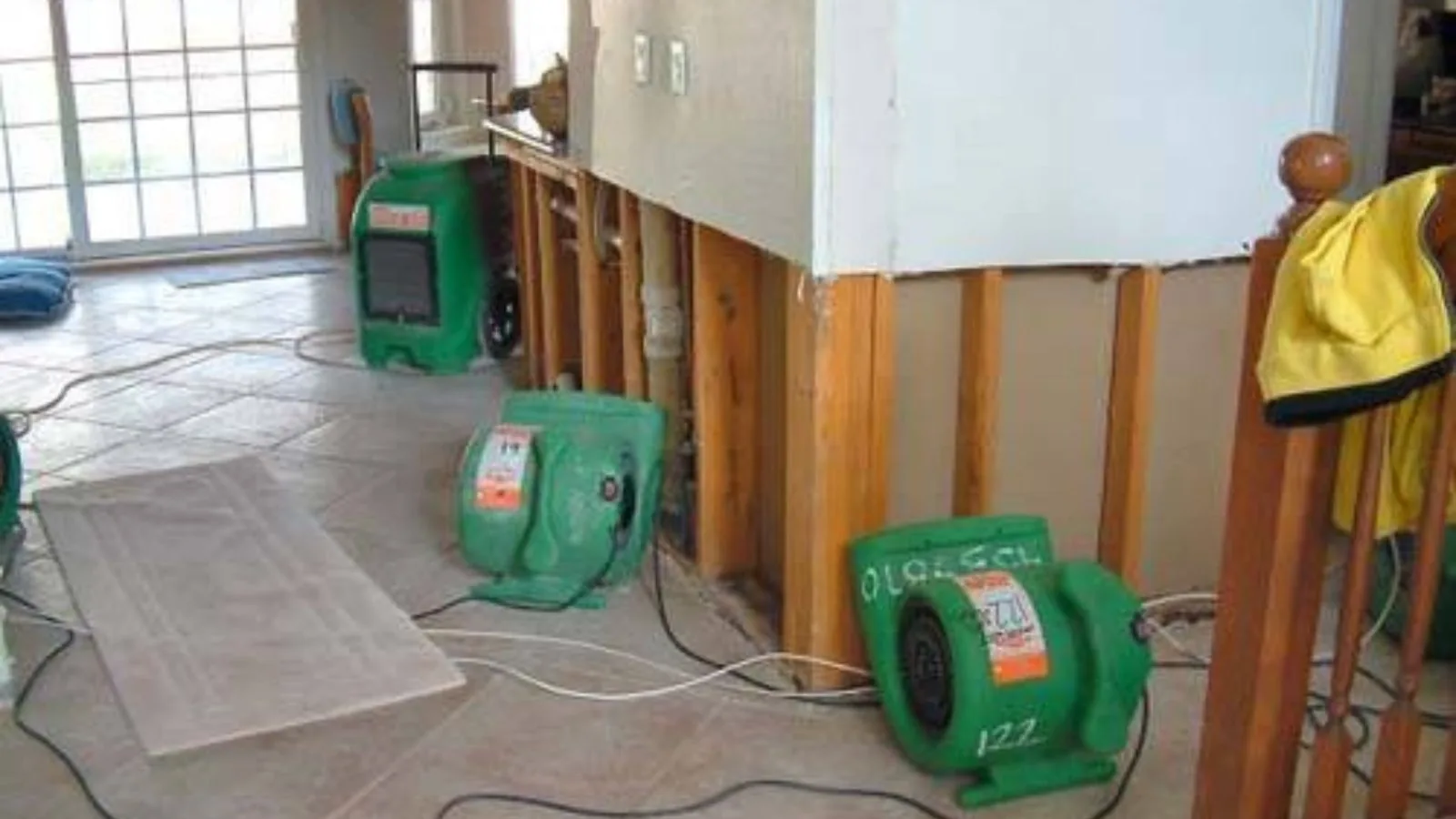
- Set air movers and dehumidifiers to dry the structure
- Log moisture readings daily until materials reach dry standards
Mitigation is what you owe your insurer under most policies, since you are expected to prevent further damage. Our water extraction and structural drying work is built to leave records that match this step.
Step five: meet the adjuster
The adjuster will inspect the damage, review your photos and may ask for the plumber report or the cause of loss. Walk through each room together and show where materials were removed. Have your photos, the moisture logs and receipts ready.
Take notes on what the adjuster says and follow up in writing. If an estimate seems low or something is missing, ask for an explanation in plain terms. You can request a review, and your agent may help.
Step six: keep receipts and track costs
The Maryland Insurance Administration recommends keeping receipts and documenting temporary repairs. Put every invoice, hotel receipt and hardware store purchase in one folder, paper or digital. If you need to stay elsewhere while repairs happen, ask whether your policy includes additional living expense.
Keep a simple log of calls: who you spoke with, the date and what was agreed. A one line note after each call saves hours of confusion later.
Keep one folder
Create a folder, paper or digital, labeled with your claim number. Put the photos, the adjuster contact, the estimates, the moisture logs and every receipt in it. When someone asks for a document, you will have it in seconds.
Step seven: repair after drying
Once materials reach dry standards, rebuilding begins. Drywall, flooring, trim and paint are repair work, separate from mitigation, and your insurer may pay them under a different line of the estimate. Many homeowners hire a general contractor at this stage.
Do not close up walls until the moisture readings confirm they are dry. A wall closed early traps moisture and invites mold, which can lead to a second claim that is harder to defend.
Claims in Baltimore County
Owings Mills sits in Baltimore County, where many homes in the Reisterstown Road, Painters Mill Road and Owings Mills Boulevard areas were built in different decades with different plumbing. When an adjuster asks about the age of your supply lines or water heater, check the installation sticker or your receipt before the visit.
If the damage came from a sewer backup, the county Department of Public Works handles reports of sewer problems in the public line. Photograph the cleanout and ask your agent whether your policy has a backup endorsement before you rely on a claim.
Frequently asked questions
As soon as you can after making things safe. Policies commonly require prompt notice, and early reporting also starts the paper trail. Check your policy for its exact wording.
No. You are generally expected to take reasonable steps to prevent more damage. Take photos first, then start extraction and drying and keep the records.
Generally yes, though policy terms vary. Ask your insurer if it has requirements, and keep your written agreement with the company you choose.
Ask for the denial in writing and the policy section it relies on. The Maryland Insurance Administration provides consumer help for complaints, and you can contact it for guidance.
Water still spreading?
Questions about insurance claim steps at your own address? The dispatcher can talk it through.