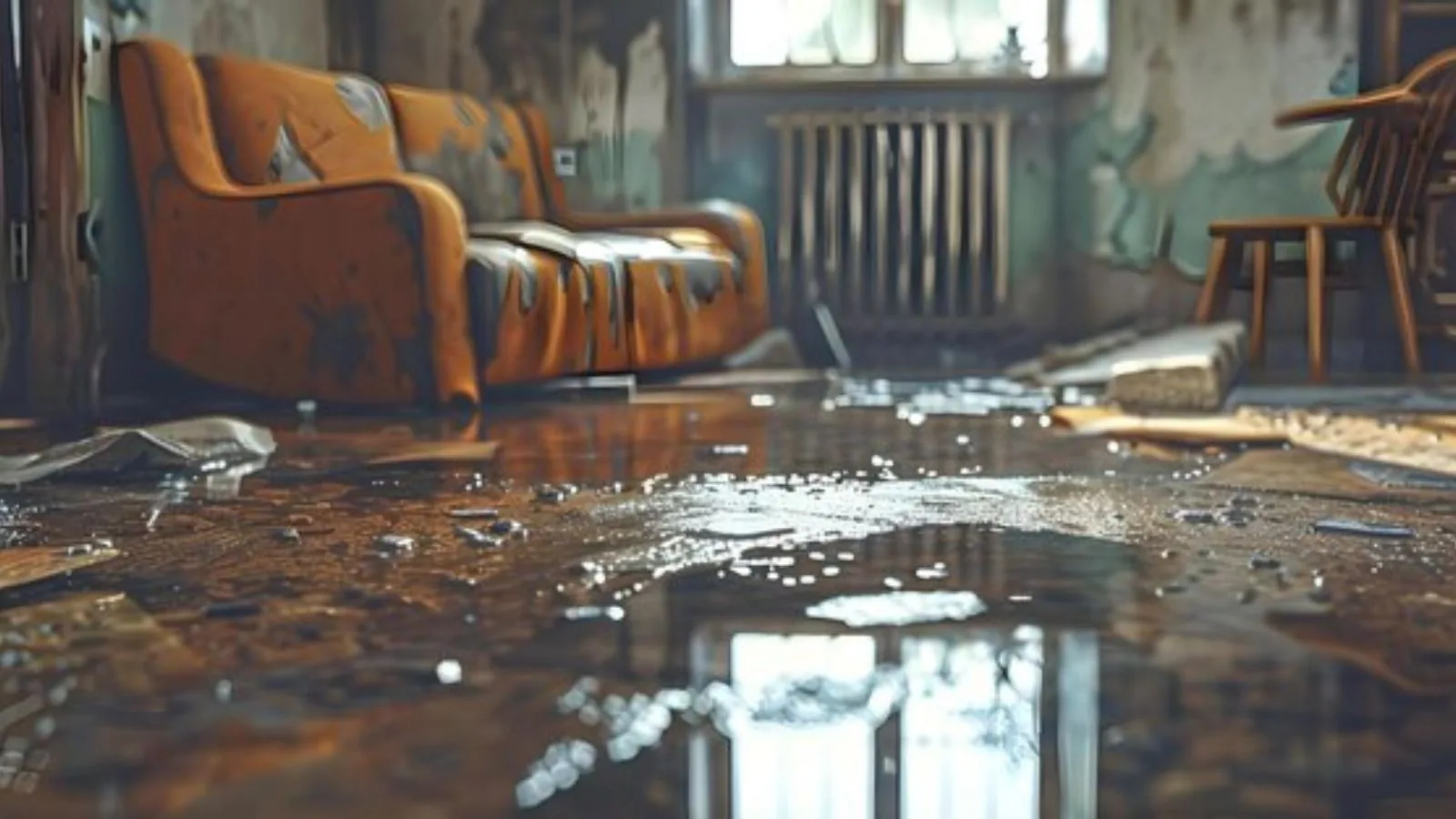
Homeowners searching for a restoration cost want a number, and it is fair to want one. The difficulty is that two leaks that look alike can have very different scopes, and a fixed price over the phone usually means a guess.
This guide explains the factors that drive cost so you can understand an estimate when you get one. We do not list prices here, because the work is priced from measurements taken in your home.
Why exact prices need measurements
Water damage is measured in moisture, not just in square feet. A room that looks wet may be a surface problem, while a room that looks fine may hold water inside the wall. Only readings and inspection reveal the true scope.
A company that quotes a flat number from a description is either padding the figure or hoping the scope is small. We explain scope and price before work starts, after the assessment, so the figure reflects your home.
Factor one: water category
Clean supply water is the simplest to manage. Gray water from appliances adds cleaning steps, and Category 3 water such as sewage or floodwater requires protective equipment, careful removal and disposal. Each step up in contamination adds labor and materials.
Our page on sewage backup cleanup explains why that category is handled so differently from a clean water leak.
Factor two: area and depth
The number of rooms affected and the depth of the water influence the number of air movers and dehumidifiers, the hours of extraction and the days of monitoring. A single bathroom is a very different job from a finished basement.
Hidden spread matters too. Water migrates under flooring and into wall cavities, and the wet area can be much larger than the visible stain.
Factor three: materials affected
Some materials can be dried in place and some cannot. Carpet pad, insulation and soft drywall that sat in water are often removed, while hardwood, plaster and framing may be dried if the response is fast. Replacement cost differs a lot between a basic carpet and a custom floor.
Drying in place is usually less costly than rebuilding, which is another reason to call early.
Factor four: time since the loss
Water that sits for a day or more soaks deeper and begins to damage materials. Mold risk rises after 24 to 48 hours, and materials that could have been dried in the first day may need removal on the third. Early response is the largest single saver.
This is the part you control. Shut off the water, call and begin extraction immediately.
Factor five: mitigation versus rebuild
- Mitigation: extraction, removal of wet materials, drying equipment and monitoring
- Reconstruction: drywall, flooring, trim, paint and finish work
- Contents: cleaning, pack-out and storage of belongings
- Specialty: plumbing, roofing or electrical repair by other trades
Many estimates split these items, and insurers often treat them separately. Ask for an itemized scope so you can see which line each cost belongs to.
Why a quick fix can cost more
Cutting the scope to lower the price often moves the cost into the future. If drying stops while a wall cavity still reads wet, mold can grow and the same wall gets opened a second time. The first number was lower and the total was higher.
Questions that clarify a price
When you receive an estimate, ask how many days of monitoring are included, how many air movers and dehumidifiers will run and which materials are being removed. Ask what happens if more hidden water is found, and who approves any added work.
These questions turn a single number into a plan you can compare. A written answer to each is a good sign that the company can back up its price.
Also ask whether the scope covers mitigation only or includes reconstruction, since they are often billed separately.
How to compare estimates
Compare scope first and price second. Look at the number of rooms, the equipment listed, the monitoring days and which materials are removed. A lower number that omits monitoring or leaves wet insulation may cost more later.
Ask whether the estimate includes the daily readings and a written drying goal. If something is unclear, ask for it in writing before you sign.
Cost context for Owings Mills
Housing in Owings Mills ranges from townhomes and apartments with carpet over concrete to larger houses with finished basements and hardwood. About 15,000 housing units spread across the community mean the mix of materials is wide, and that mix is the strongest influence on cost.
If your loss involves creek water or overland runoff near Gwynns Falls tributaries, it is likely Category 3 and may not be covered by a standard homeowners policy. Check the Maryland Insurance Administration guidance and your own policy before assuming any cost will be reimbursed.
Frequently asked questions
Because the scope depends on moisture readings and hidden spread. Quotes given without seeing the water are usually guesses that change later.
Sudden water damage from a pipe or appliance is generally covered, while flood often is not. Your policy and insurer decide, and we provide documentation.
Water category, size of the affected area, materials involved, time since the loss and the number of drying days are the main drivers.
Compare scope first. A lower figure that leaves out monitoring or wet materials may lead to mold and a second repair.
Water still spreading?
Questions about restoration cost at your own address? The dispatcher can talk it through.