After a leak, the furniture is often the first thing people worry about. A soaked mattress or sofa is expensive, heavy and hard to dry, and the choice to keep or discard it is not obvious.
This guide explains how professionals decide, what you can try yourself and where the safe line is.
The first question: what kind of water
Water categories matter more than anything else. Category 1 is clean water from a supply line, a broken tap or rain through a roof. Category 2 has some contamination, such as washing machine discharge. Category 3 is grossly contaminated, including sewage and floodwater.
Soft items that touch Category 3 water are generally discarded, because deep contamination cannot be cleaned out of foam, batting and fabric. Our sewage backup cleanup page explains why.
Time is the second question
Clean water becomes a problem if it sits. After about 48 hours, damp fabric and foam can start to grow mold, and the smell becomes difficult to remove. A mattress that has been wet for a week is rarely worth saving.
If you found the leak quickly, move furniture out of the water immediately, lift it onto blocks or plastic and start airflow. Every hour counts, so do not wait for an appointment to begin this step.
Mattresses
Foam and innerspring mattresses hold water deep inside. A spill on the surface can be blotted and dried, but a mattress that has soaked through from underneath is a harder case. Even if it feels dry on top, moisture can linger in the core.
If the water was clean and the mattress is only damp, stand it on edge in a warm, ventilated room with a fan and a dehumidifier. If it is soaked or smells musty after drying, replace it. Mattress warranties often exclude water damage, so check before you assume.
Sofas and upholstered chairs
Upholstered pieces have wood frames, springs, foam and fabric, and each dries at a different rate. Clean water on a solid frame can often be handled with extraction, airflow and time. Particleboard frames swell and fail when wet.
Remove cushions, lift the piece off wet flooring and use a wet vacuum on the fabric. Watch for color bleed on light upholstery, and keep it away from heat sources that might shrink or warp it.
Rugs, books and wood furniture
Area rugs dry well if they are lifted and hung or laid flat with air under them. Wool and cotton survive better than synthetic backings that trap water. Books and papers can be frozen and dried later if they matter, and photographs should be kept wet and separated.
Solid wood furniture generally survives clean water if it is dried slowly. Veneer and laminate can bubble and peel, and old glue joints may fail. Photograph everything before you decide, since the insurer may want to see it.
What not to do
Do not use a household space heater or hair dryer to force-dry upholstery, because heat can set stains and warp frames. Do not sit on or move a soaked sofa without help, as wet furniture is far heavier than normal. Do not use bleach on fabric unless the manufacturer allows it.
Do not store wet items in a closed garage or bag, which creates a mold incubator. Move them to a ventilated area while the restoration team dries the room.
Document before you discard
Photograph every item, note its age and approximate value and keep a list. Some insurers want to inspect damaged contents or at least see photos. Keep a swatch or tag if the item must go.
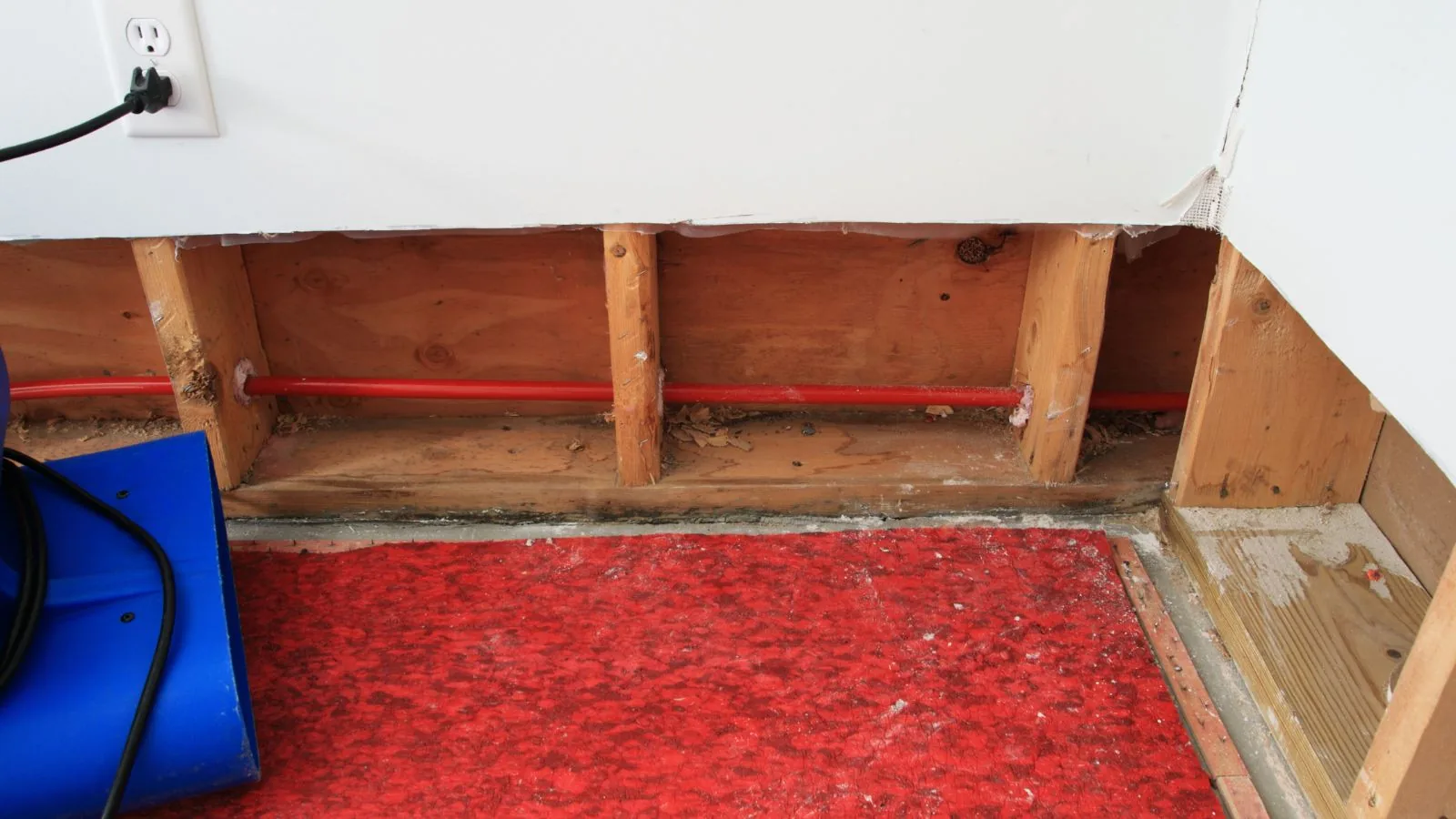
If your whole room is wet, the structure needs attention too. Wet furniture sitting on a wet floor keeps the room humid, which slows everything. A professional structural drying setup handles the room while you handle the items.
Furniture in Owings Mills homes
Owings Mills has a mix of apartments and condos near Metro Centre, with smaller rooms where a single leak can reach the sofa, the bed and the rug at once. Carpeted rooms in these units hold water in the pad, so furniture legs often sit in a wet pad even when the carpet looks dry.
Households around Stevenson, Reisterstown Road and Painters Mill Road include many families with children and pets, so the question of contamination comes up often. If anything touched sewage or floodwater, discard soft items and call for professional cleanup.
Frequently asked questions
If the water was clean and the mattress was only damp for a short time, it may dry with airflow. A mattress soaked through or wet for more than about two days is usually not worth keeping.
Contents coverage depends on your policy and on the cause of the water. Photograph the item and ask your insurer, because we cannot decide coverage.
Washing machine discharge is usually Category 2, so hard items can be cleaned, but soft items need an expert opinion. When in doubt, discard or ask us.
Several days with strong airflow and a dehumidifier, and longer for thick cushions. If it still smells musty after it feels dry, mold may be present and replacement is safer.
Water still spreading?
Questions about wet mattress and sofa at your own address? The dispatcher can talk it through.